Inside a Project Onramp Laboratory Operations Internship at Hatch.Bio Labs
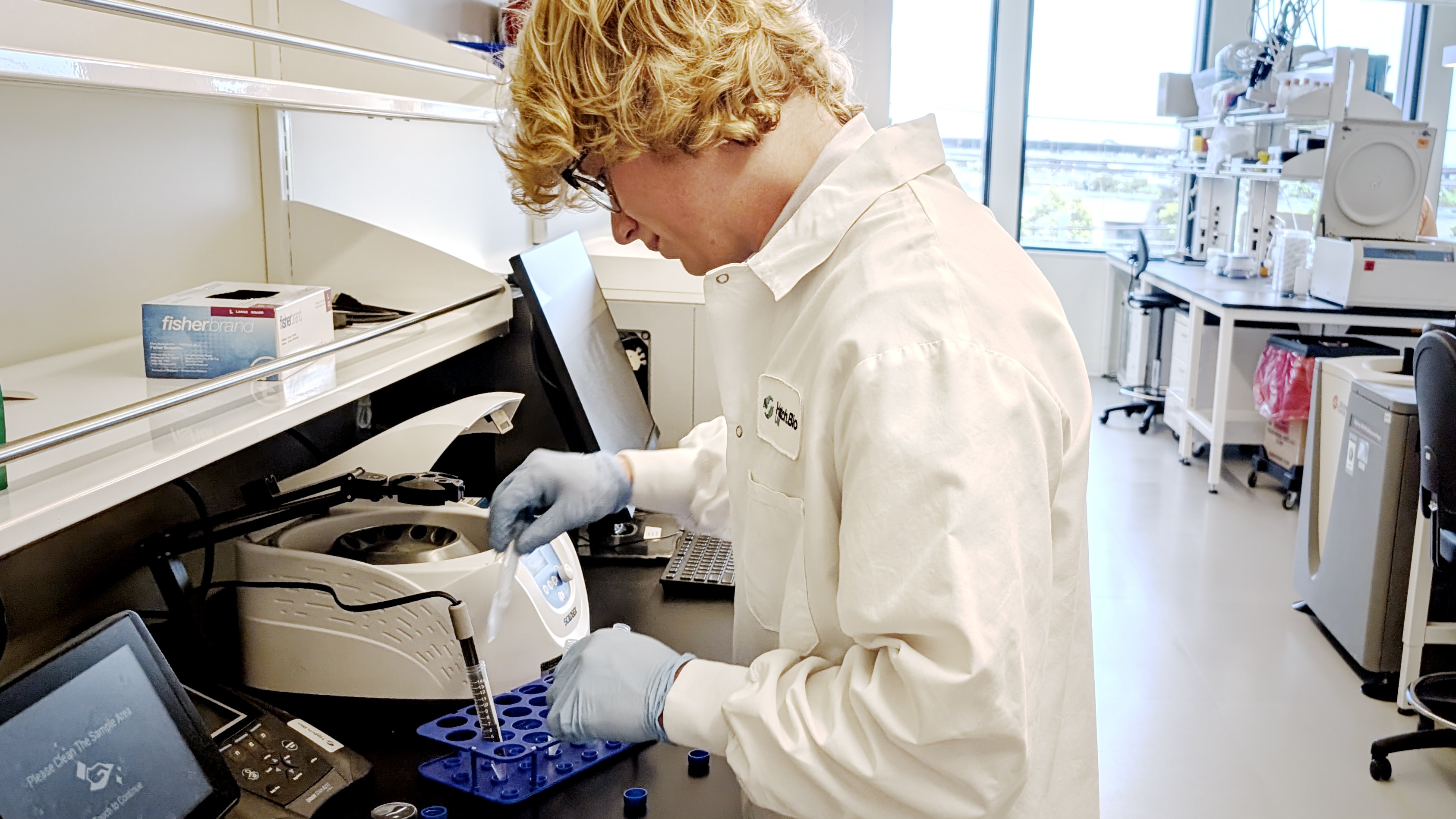
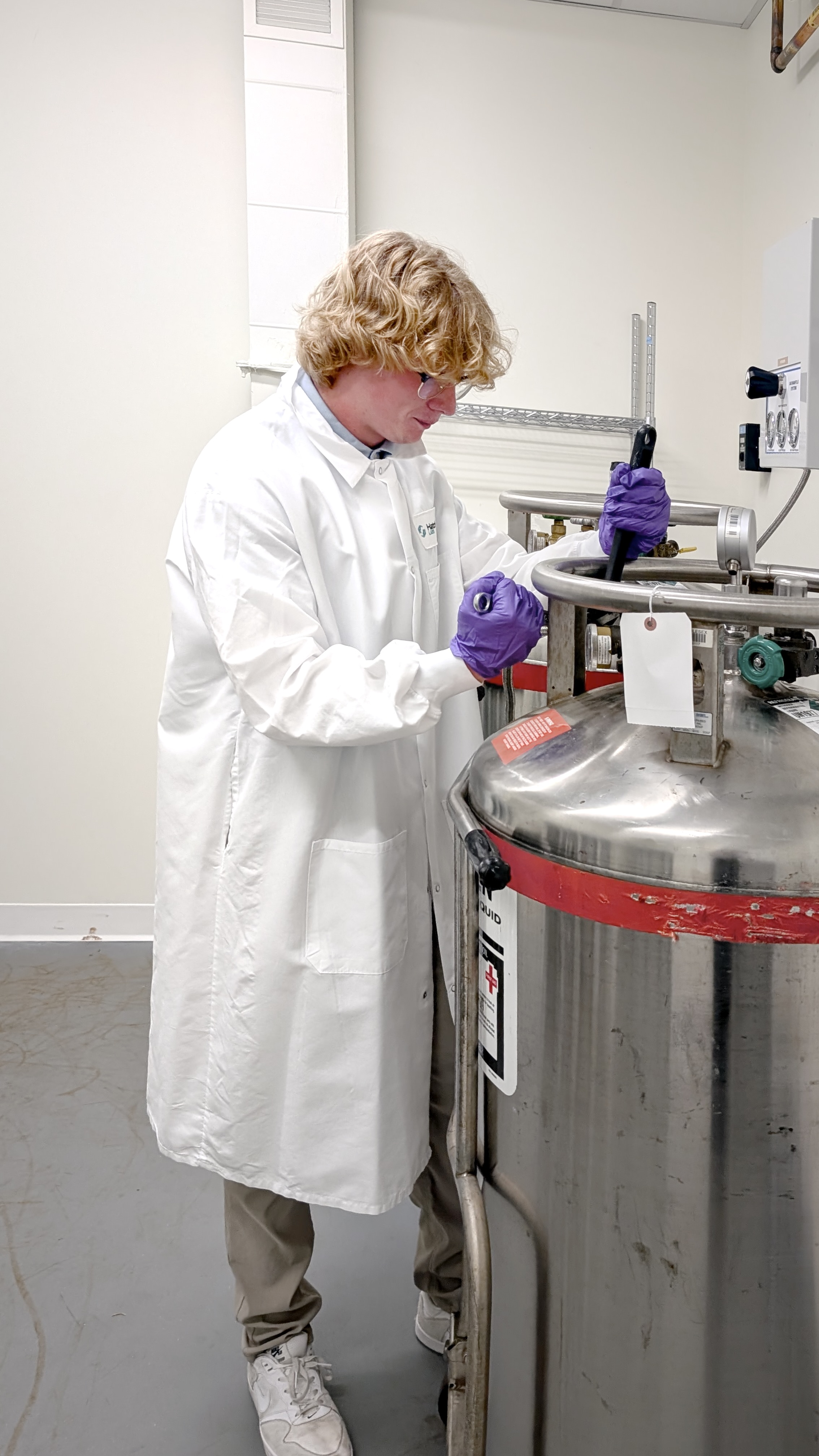
This summer, we partnered with Project Onramp to hire chemistry student Stephen Parker as a lab technician supporting our life sciences facility in Somerville, Massachusetts.
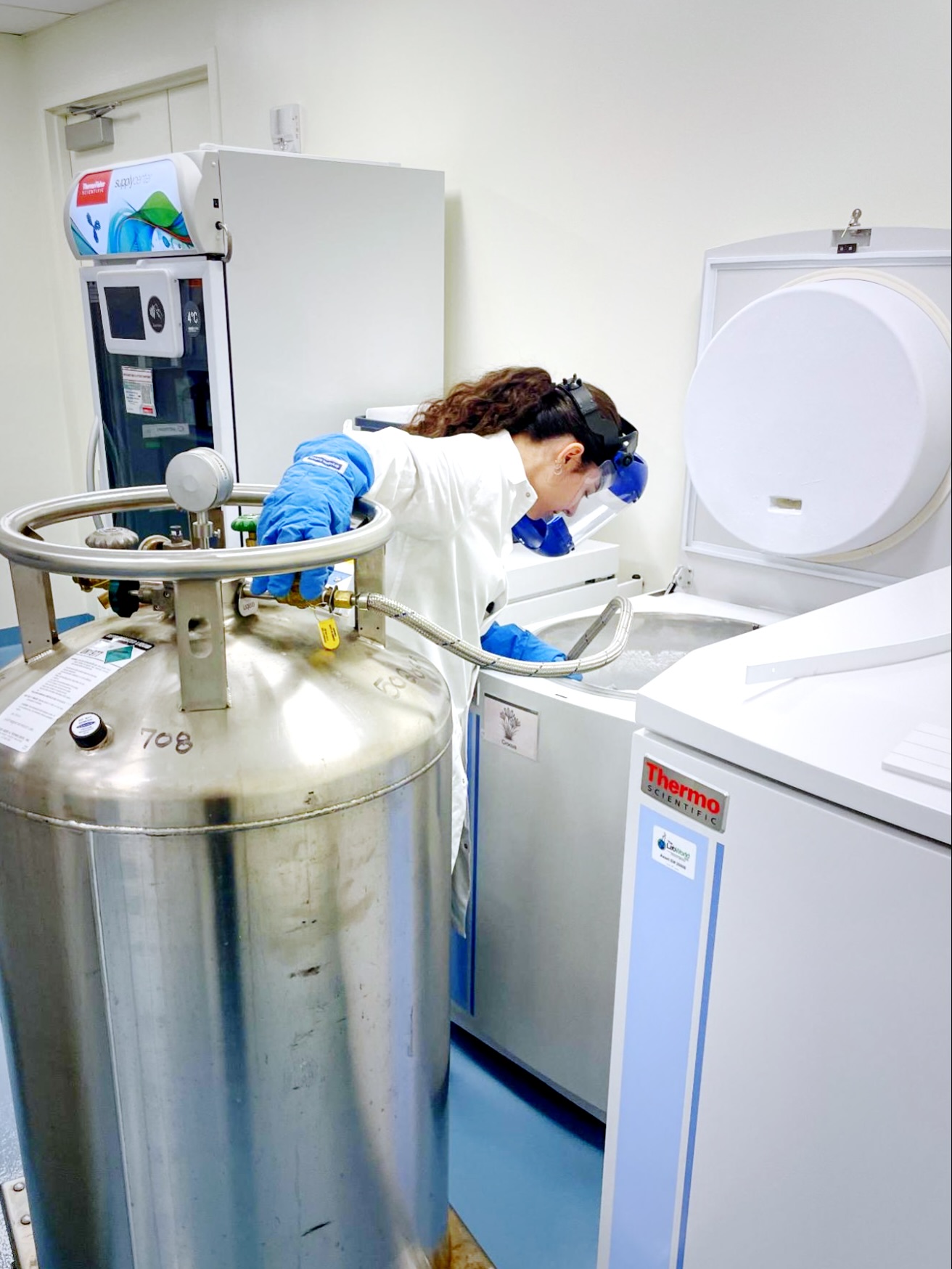
Project Onramp connects college students with paid internships in the life sciences. It's designed to bridge the gap between classroom learning and hands-on industry experience. In just a few months, Stephen has inventoried over 100 pieces of shared lab equipment across our lab suites, assisted with preventative maintenance, and helped keep cold storage units and equipment running efficiently. His efforts keep our labs running at a high standard, so resident scientists can get straight to work instead of troubleshooting equipment or logistics. We interviewed Stephen to learn about his perspective as a student entering the biotech industry.
What did you originally want to be when you grew up, and what eventually led you to biotech?
Stephen: My dad was a farmer and I grew up on his farm, so naturally I wanted to become a farmer. Eventually, I decided to study chemistry with a hope to end up in sustainable agriculture. Analytical Chemistry introduced me to a few forms of biotech, such as ELISA immunoassays and MALDI mass spectroscopy, both of which I found very interesting with potential applications in sustainable agriculture.
What have you learned about yourself during this internship that surprised you?
Stephen: I learned that I actually really enjoy the operations part of the job, such as coordinating repairs. It is a great opportunity to make connections and also learn more about what piece of equipment I am working with!
How does the day-to-day reality of a biotech company compare to what you pictured in the classroom?
Stephen: When I think of biotech companies, I think of the companies and people that have discovered the techniques I learn about in my lectures. Getting to work at Hatch.Bio Labs has given me a different perspective where I support the resident companies actually using this equipment and these techniques to advance research with the goal of improving patient lives.
All the different resident companies are discussing their project goals and what needs to change, which is great to be immersed in even if I am not participating in the conversation. Seeing the differences between companies and what they do is super interesting!
What advice would you give to other students exploring careers in life sciences?
Stephen: If you are studying chemistry, biology, or biochemistry, pay attention to your analytical methods, instrumentation lectures, and labs (such as analytical chemistry for chemistry majors.) Those classes provide a very strong foundation for how biotechnology works (in my experience, on a chemical level), how to use the technology, how to analyze results, and how to draw conclusions based on the results.
Is there a sector of biotech development you're following closely right now that you would be excited about taking off?
Stephen: The use of biological inputs in agriculture as a way to reduce the production and use of synthetic fertilizers, pesticides, or other agricultural tools that are harmful to humans and the environment. For example, instead of using a synthetic fungicide, such as a copper-based fungicide, a biofungicide would kill the fungi but not damage the crop. A copper-based fungicide would certainly kill unwanted fungus, but also leaves damage on the crops, kills wanted insects, and can get into the ground water.
What's next for you?
Stephen: I am currently on track to graduate from UMass Lowell in the spring, and then I plan on pursuing a masters degree in sustainability or nuclear engineering. Not sure which yet!